Metal Roof Framing Benefits
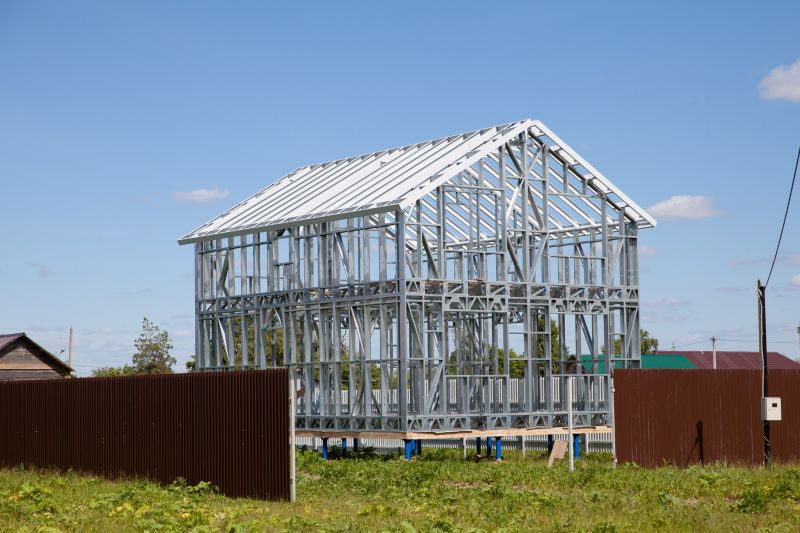
Spring and fall offer optimal weather conditions for metal roof framing projects, reducing delays caused by extreme temperatures.
Scheduling during periods of dry weather minimizes risks associated with rain, snow, or high winds that can interfere with installation.
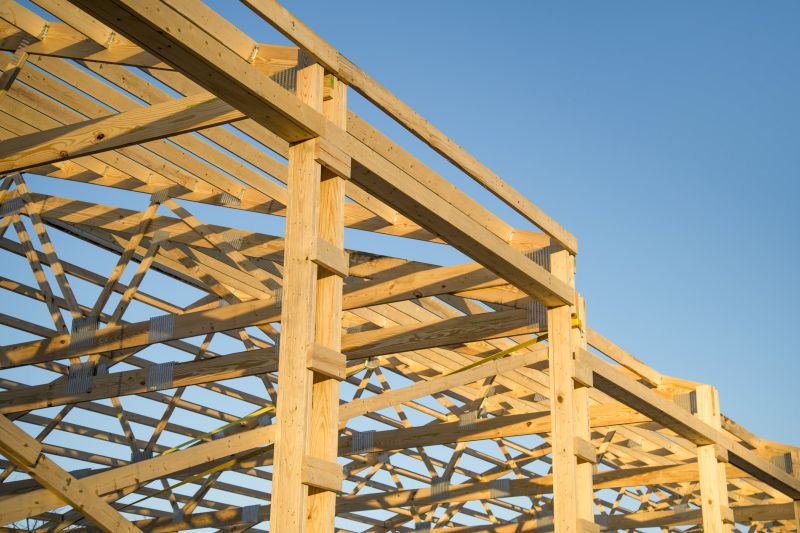
Temperatures between 50°F and 85°F are ideal for metal framing, ensuring materials perform correctly and installation proceeds smoothly.
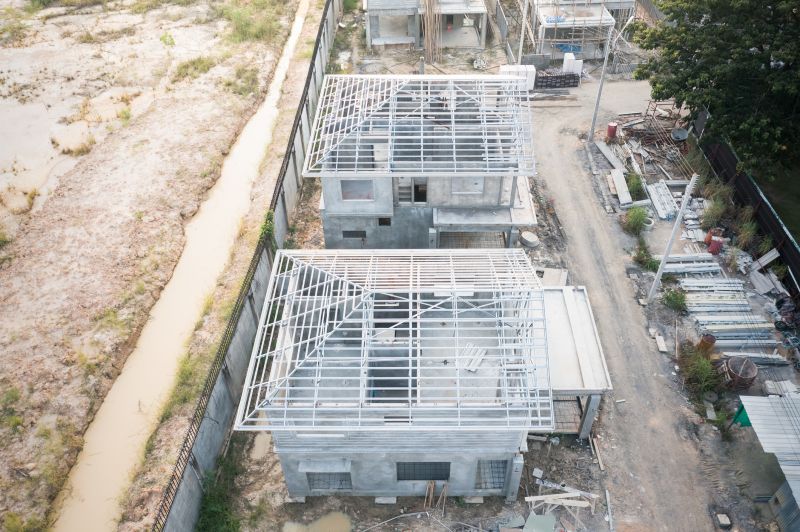
Ways to make Metal Roof Framings work in tight or awkward layouts.
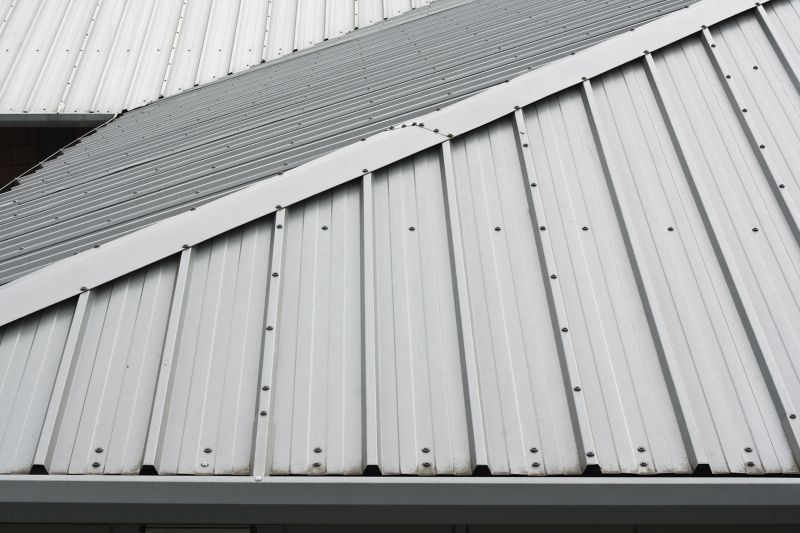
Popular materials for Metal Roof Framings and why they hold up over time.
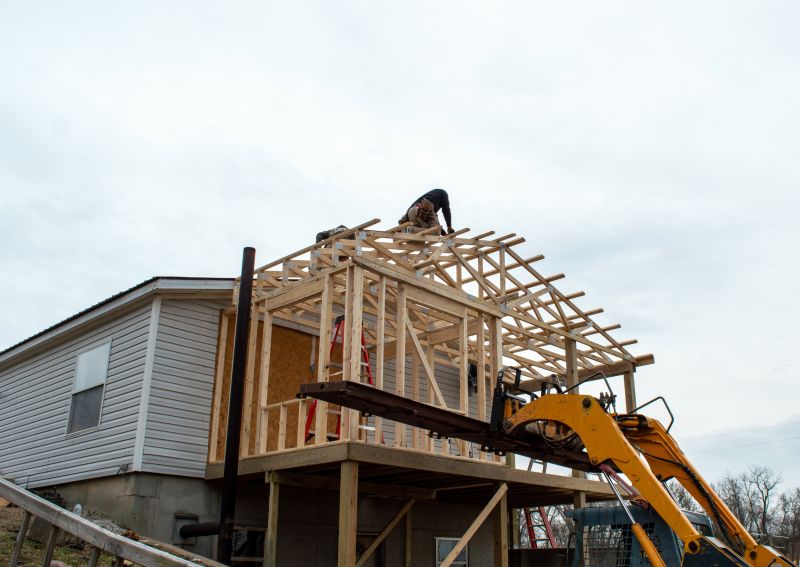
Simple add-ons that improve Metal Roof Framings without blowing the budget.
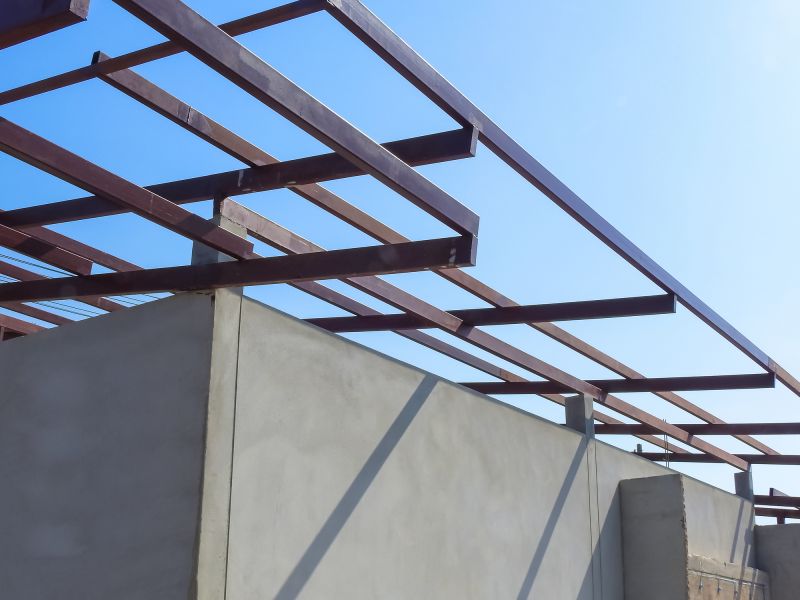
High-end options that actually feel worth it for Metal Roof Framings.
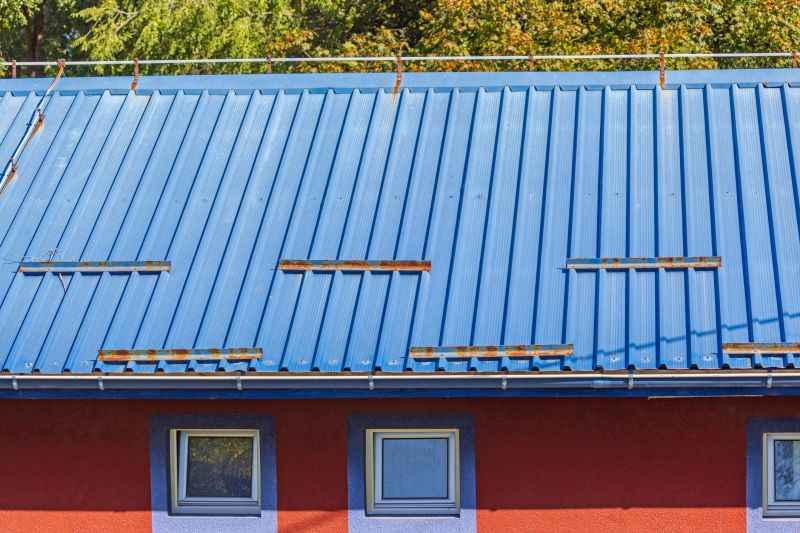
Finishes and colors that play nicely with Metal Roof Framings.
Statistics indicate that metal roof framings can increase building durability by up to 30% when installed correctly. The use of high-quality steel or aluminum framing materials contributes to resistance against corrosion and structural deformation. Properly timed installation during favorable weather conditions reduces the risk of delays, rework, and material damage, ultimately leading to cost savings and enhanced safety.
Timing installations during stable weather reduces risks of delays and material issues.
Temperature influences the flexibility and bonding of framing components.
Planning ahead for optimal seasons ensures timely completion of framing work.
Favorable weather conditions improve installation speed and quality.
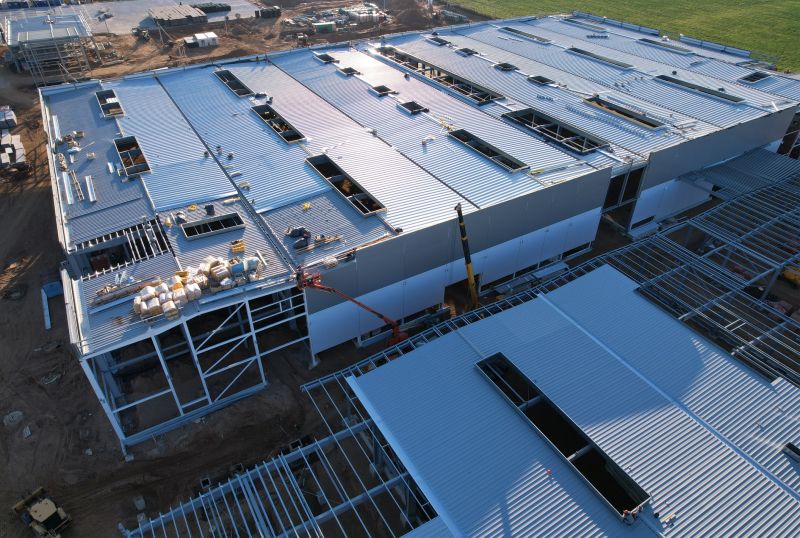
Structural steel beams and supports designed for durability.
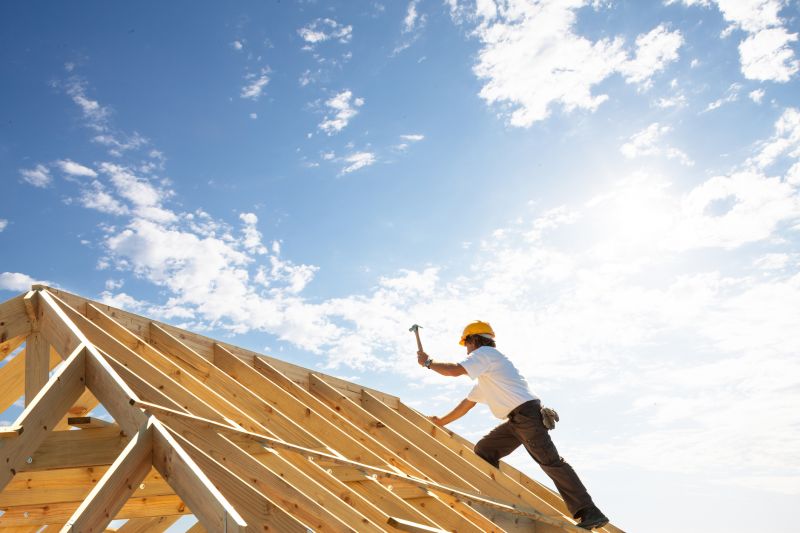
Expert placement ensures stability and resistance to environmental stresses.
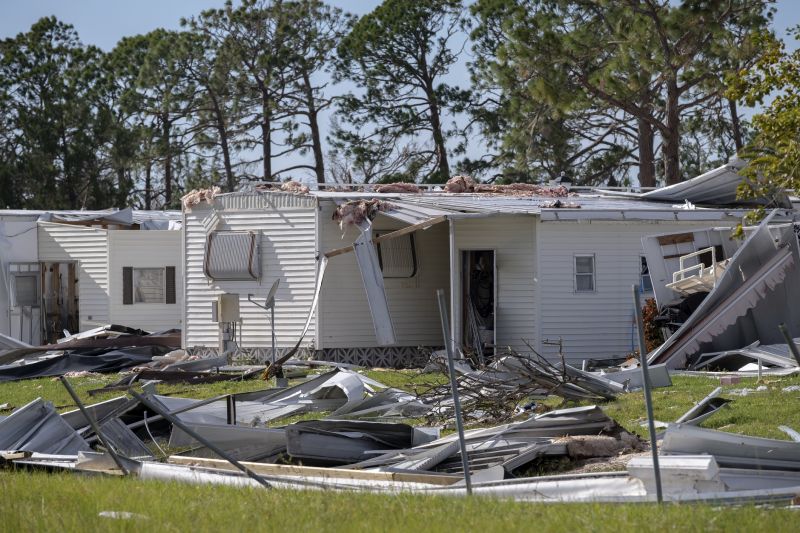
Extreme conditions can compromise framing integrity if not properly timed.
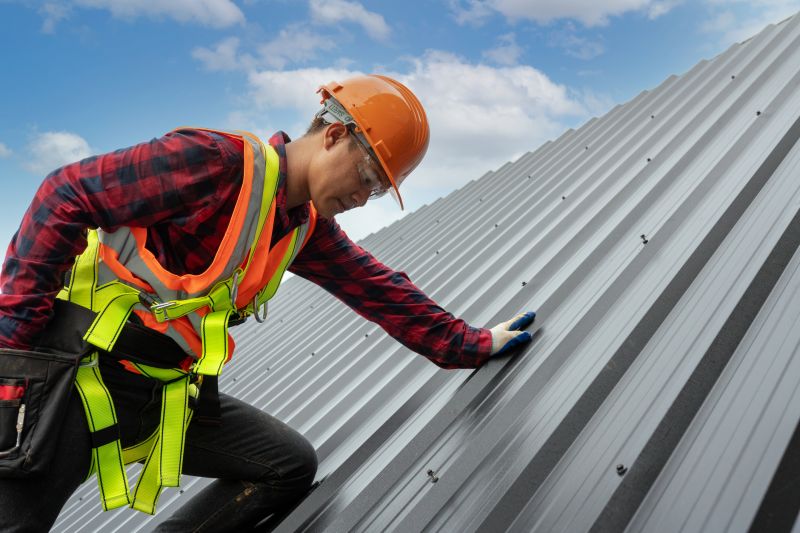
Preparing the site during suitable weather enhances safety and efficiency.
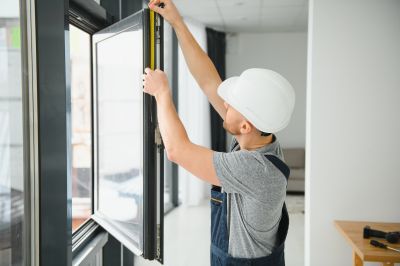
Little measurements that prevent headaches on Metal Roof Framings day.
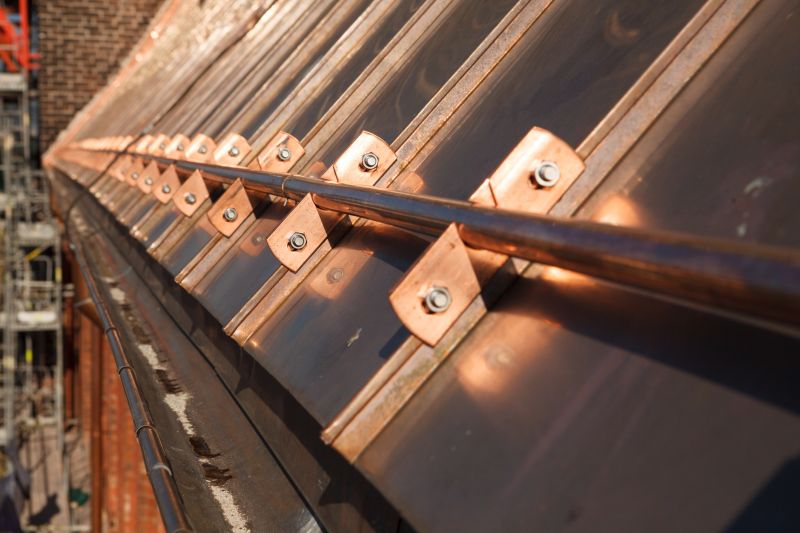
A 60-second routine that keeps Metal Roof Framings looking new.
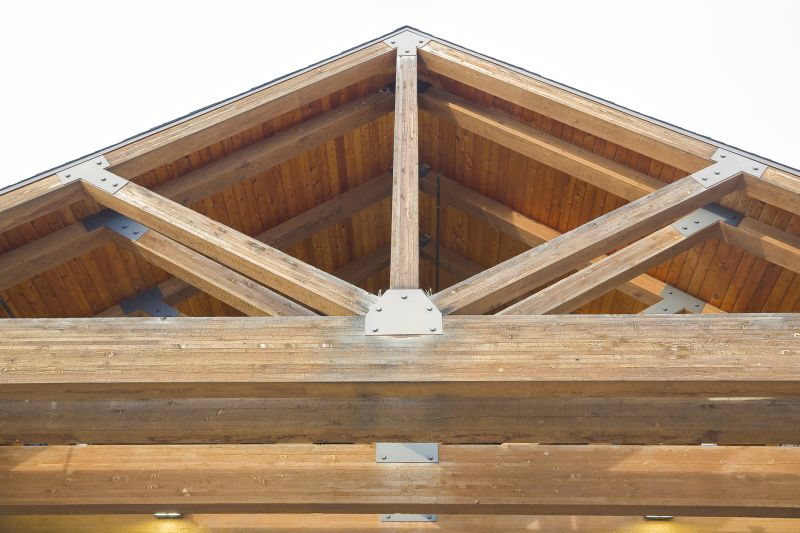
A frequent mistake in Metal Roof Framings and how to dodge it.
Small tweaks to make Metal Roof Framings safer and easier to use.
| Season | Ideal Conditions |
|---|---|
| Spring | Mild temperatures, low precipitation |
| Summer | Warm, dry weather, avoid extreme heat |
| Fall | Cool temperatures, minimal rain |
| Winter | Avoid extreme cold and snow |
| Late Spring/Early Fall | Optimal for installation |